

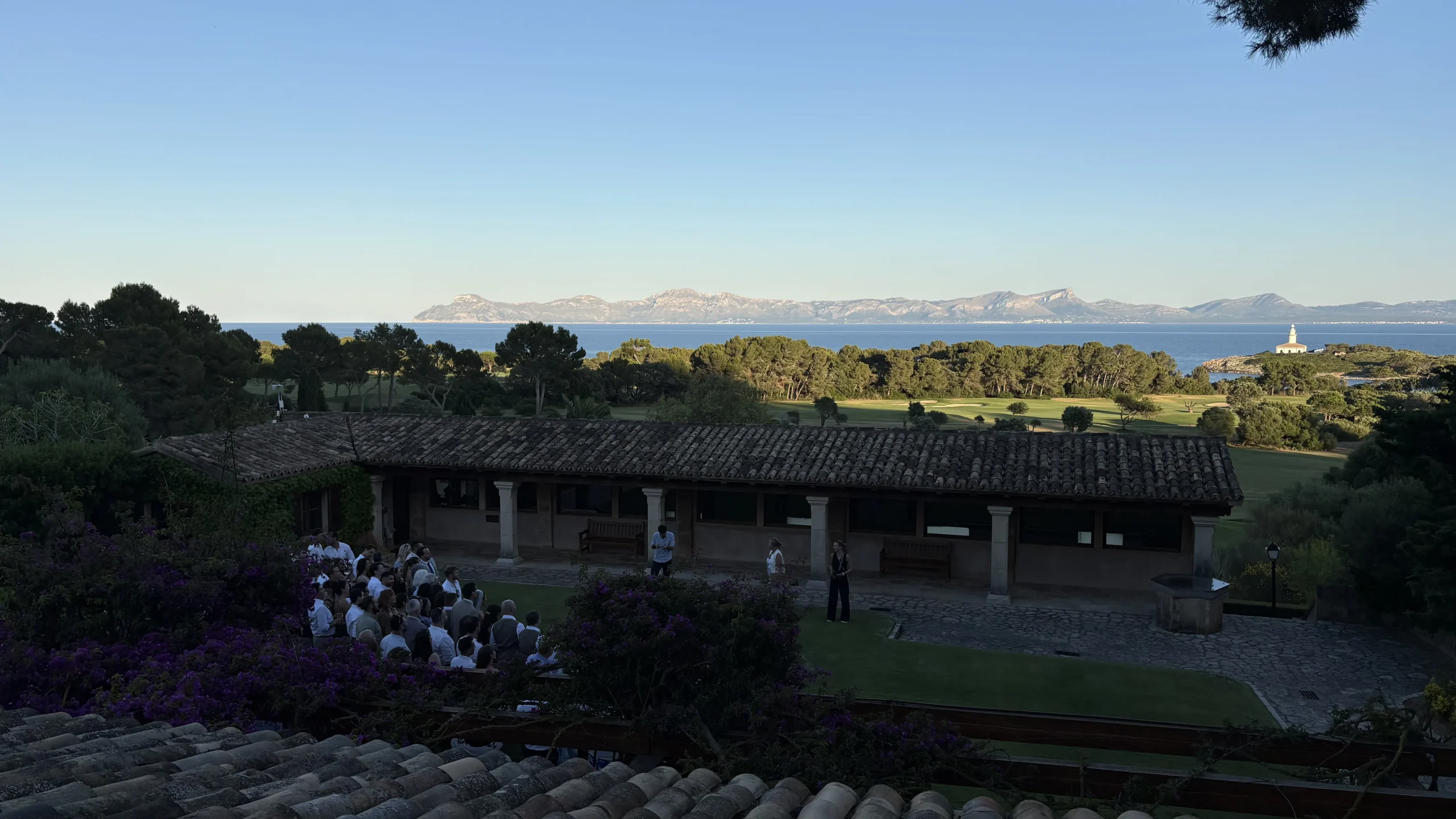
Years after your wedding, guests remember the experience, not the exact shade of your peonies or the pattern on your stationery. What they will carry with them — and talk about at dinner parties for decades — is how your celebration made them feel: comfortable, looked after, emotionally present, and genuinely glad they came. This article explores the psychology of wedding guest memory, why logistics matter more than most couples expect, and how thoughtful experience design transforms a beautiful day into something truly unforgettable.
In this article:
- The psychology of wedding memory — why feelings outlast details
- What guests actually notice (and what they quietly forget)
- Logistics as luxury: the invisible architecture of experience
- How a destination wedding in Mallorca changes the equation
- The difference between a beautiful wedding and a memorable one
- What Magdalena designs that goes beyond the schedule
- FAQ: guest experience at destination weddings in Mallorca
The Psychology of Wedding Memory — Why Feelings Outlast Details
Ask any wedding guest what they remember from a celebration they attended five years ago. They will rarely describe the centrepieces. They will describe a moment. A speech that made the room go quiet. The way the light fell across the terrace as dinner began. Whether they felt welcome, unhurried, and fully present — or slightly confused, waiting for instructions that never came.
Psychologists describe this through the Peak-End Rule: we remember experiences primarily through their emotional peak — the single most intense moment — and their ending. Everything in between, including the flowers you agonised over for months, fades into a general impression of atmosphere rather than specific visual memory.
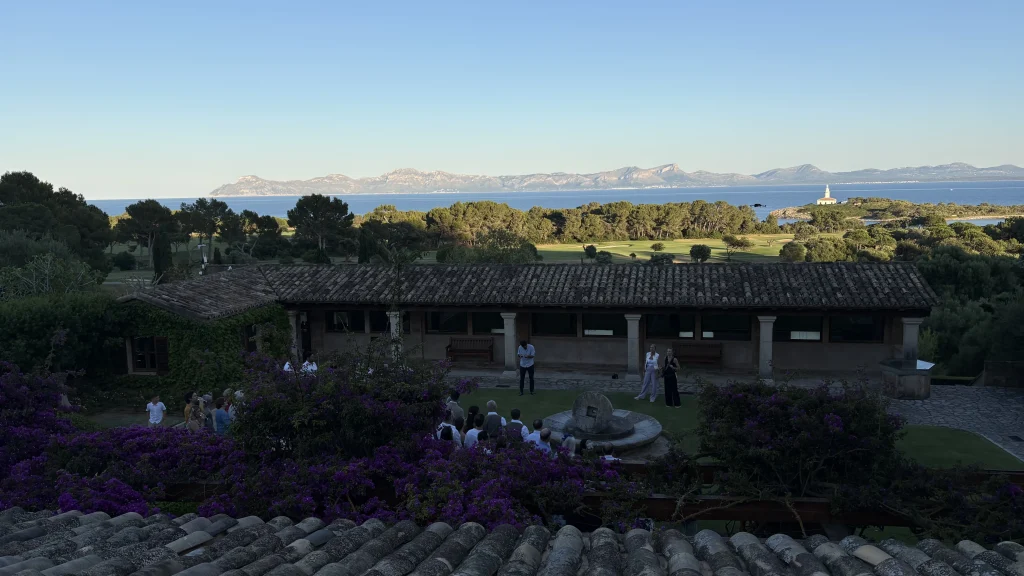
A technically perfect wedding can still feel cold. But a slightly imperfect one, full of warmth and clarity, stays in the heart for years.
This is not an argument against beautiful design. It is an argument for understanding what actually drives the emotional peaks your guests will remember. In almost every case, those peaks are relational and atmospheric — not decorative.
What Guests Actually Notice — and What They Quietly Forget
There is a revealing gap between what couples invest time in before a wedding and what guests genuinely notice on the day. Understanding that gap is one of the most useful things you can do in the planning process.
What guests remember most
- Whether they felt welcomed and looked after from the moment they arrived
- How the food tasted, and whether it arrived smoothly and generously
- The emotional quality of the ceremony — particularly the vows and the music
- Whether the evening had a natural, comfortable rhythm — or felt rushed and unclear
- How transport, parking, or transfers worked (especially when they did not)
- Moments of genuine connection: a speech that told the truth, a dance floor that came alive
- The overall atmosphere — light, warmth, sound, ease of movement through the space
What guests rarely remember unless it goes wrong
- The specific florals, their varieties or arrangement style
- Table linen colours, stationery details, or favour choices
- The exact order of the ceremony readings
- How the napkins were folded
- Whether the charger plates matched the candle holders
This is not about spending less on design. It is about allocating energy and investment where it creates the strongest emotional return. A wedding that flows beautifully — where guests always know where to go, never wait too long between moments, and consistently feel looked after — creates a far more lasting impression than one where the flowers are extraordinary but the guest journey is unclear.
Logistics as Luxury: The Invisible Architecture of Experience
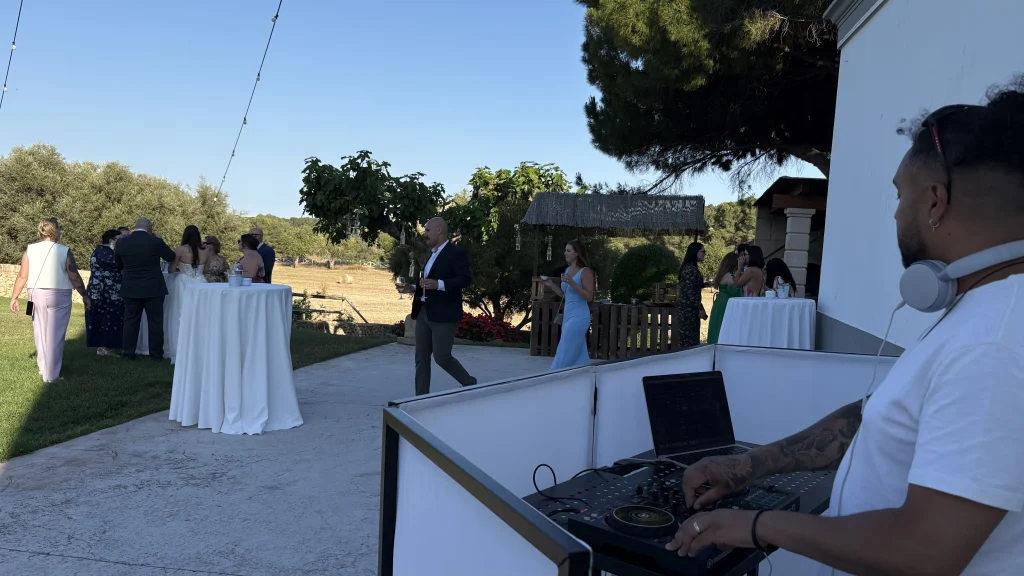
One of the most counterintuitive truths about luxury events is this: the more invisible the logistics, the more luxurious the experience feels. When a guest effortlessly finds their seat, when transfers arrive exactly on time, when dinner flows without any perceptible pause — they do not think about logistics at all. They simply feel that the evening was exceptional.
The opposite is equally true. Long queues at the bar. Uncertainty about where to stand during cocktail hour. Elderly guests struggling to navigate an unclear venue layout. Transport that left without a clear departure signal. These are the moments that lodge in memory with unusual vividness — not because guests want to remember the difficulties, but because physical discomfort and confusion are powerful emotional anchors.
Luxury begins the moment a guest never has to ask what happens next.
At Dybiec Wedding, this principle shapes every conversation Magdalena has with a couple during the planning process. The question is never only ‘how will this look?’ but consistently ‘how will this feel — to your grandmother navigating the courtyard steps, to your friends arriving from London at midnight, to your guests moving from ceremony to dinner in the Mallorcan evening air?’
Guest flow, timing architecture, transport sequencing, information design — these are not operational details that sit beneath the creative work. They are, in many ways, the creative work. They are what transforms a beautiful setting into a genuine experience.
How a Destination Wedding in Mallorca Changes the Equation
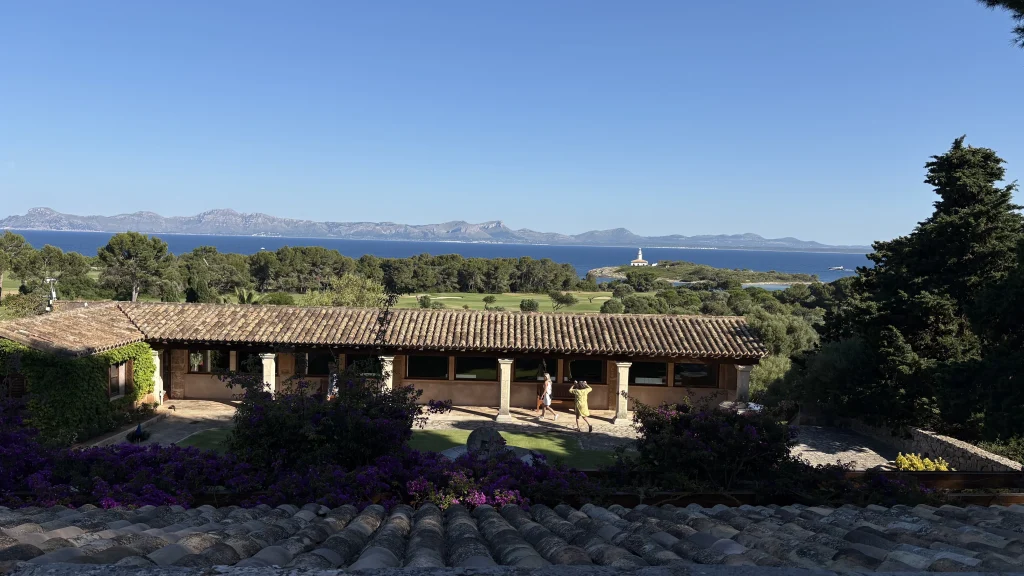
When guests travel from London, New York, Sydney, or Stockholm to celebrate with you in Mallorca, something interesting happens to the experience architecture. The shared commitment of the journey — crossing time zones, booking flights, arranging extended leave — creates a collective sense of occasion that domestic weddings rarely achieve in the same way.
Your guests have already signalled, by arriving, that this celebration matters deeply to them. They have set aside time and stepped out of their ordinary routines. They are, in the best possible sense, fully available. What happens in those hours and days determines what they carry home.
This is why the most memorable destination weddings in Mallorca are not simply well-organised single days. They are curated journeys — from the first moment guests land on the island to the final farewell. Every touchpoint becomes part of the story: the welcome message at their hotel, the first glimpse of the finca in the afternoon light, the meal that feels distinctly Mallorcan rather than generically ‘wedding catering’.
What guests remember about a one-day or multi-day wedding experience
Couples planning a one-day celebration in Mallorca still benefit enormously from thinking in terms of the full guest journey — from arrival to departure. What do guests experience before the ceremony? How does the transition from ceremony to celebration feel? Is there a moment of genuine warmth built into the ending?
For couples who choose to extend the celebration across two or three days — a welcome evening, the ceremony and celebration, and a farewell gathering — the experience deepens considerably. The three-day format is not the default offering at Dybiec Wedding, but it is available as an option for couples whose guest list, budget, and vision align with it. When it is right, it creates something that no single day can fully achieve: a shared memory built over time, in one place, with the people who matter most.
The Difference Between a Beautiful Wedding and a Memorable One
Beautiful weddings are admired. Memorable weddings are felt. The distinction is not about budget or scale — it is about intention.
A beautiful wedding has stunning photographs, a considered colour palette, and flowers that make the venue look exceptional. A memorable wedding has all of that, but it also has something less visible: a rhythm to the evening that allows people to exhale, to connect, to be fully present rather than waiting for the next logistical instruction.
What distinguishes a memorable wedding experience
| A beautiful wedding | A memorable experience |
|---|---|
| Stunning visual design | Visual design that serves emotional atmosphere |
| Guests admire the setting | Guests feel held by the setting |
| Ceremony flows correctly | Ceremony creates genuine emotional peaks |
| Transport is arranged | Transport is invisible — guests simply arrive |
| Food is served beautifully | Food arrives at the right moment, generously, without confusion |
| Evening has a timeline | Evening has a natural, unhurried rhythm |
| Guests are photographed | Guests feel personally welcomed and looked after |
The right column is not more expensive to achieve. It requires a different kind of attention — one that treats the guest journey as a design problem with the same rigour applied to the centrepieces.
What Magdalena Designs That Goes Beyond the Schedule
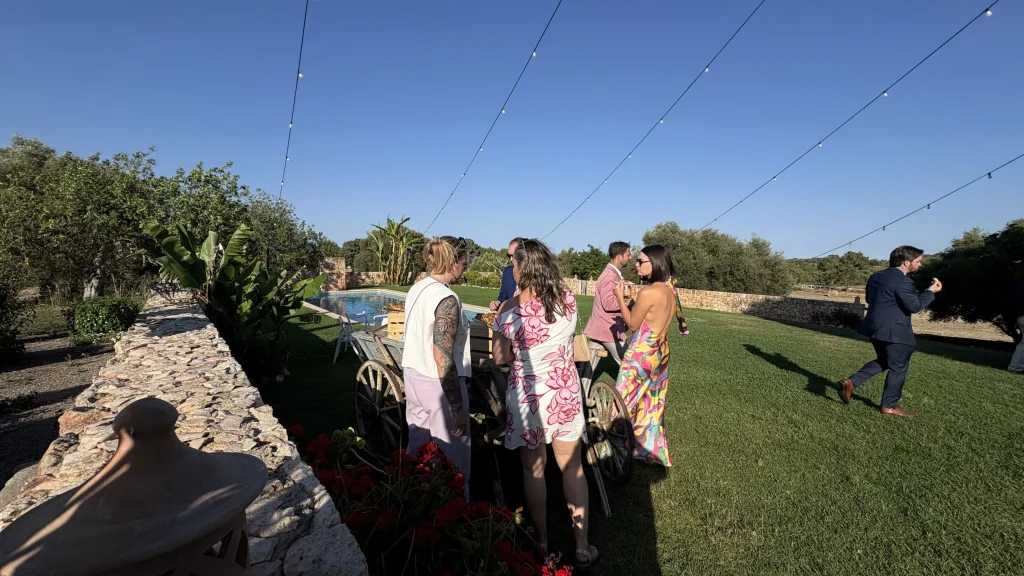
When couples work with Magdalena at Dybiec Wedding, they quickly discover that the planning conversation is broader than most expect. It is not simply a sequence of vendor selections and logistical decisions. It is a process of designing the emotional experience — for the couple and for everyone who loves them.
Magdalena approaches each wedding as a wedding planner, celebrant and personal guide. This combination of roles matters: it means that the person who understands the emotional arc of your ceremony is the same person who has mapped the guest flow from the car park to the terrace, who has briefed the catering team on the timing of service, and who knows exactly which moment of the evening is likely to be the emotional peak that your guests will carry home.
In practice, this translates into details that guests rarely notice but consistently feel. The way arrivals are greeted before the couple appears. The clarity of movement from one space to the next. The briefing given to drivers and staff about how to speak to international guests unfamiliar with the venue. Even the decision to build a deliberate pause into the evening — a moment of stillness before the dancing begins — where guests feel the weight and beauty of what they have witnessed together.
The most effortless weddings are the most carefully designed ones. What guests experience as natural ease is, behind the scenes, a structure of considerable intention.
Why guests remember the wedding experience, not the checklist
Dybiec Wedding works with a carefully selected circle of Mallorca partners — photographers, caterers, musicians, florists, transport providers — who share this understanding of experience over spectacle. The result is a celebration that feels cohesive rather than assembled, and memorable for exactly the right reasons.
If you are beginning to think about your Mallorca wedding and want to understand what this approach would mean for your specific celebration, you are welcome to begin a private conversation with Magdalena. There is no pressure and no formula — simply a conversation about what kind of experience you want to create.
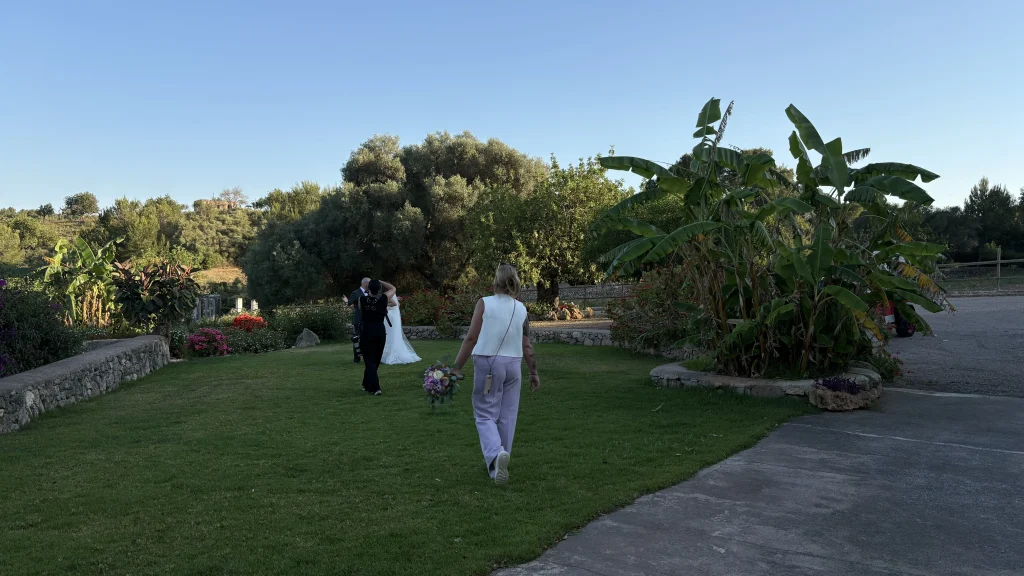
Planning a destination wedding in Mallorca? The Mallorca Wedding Guide covers everything from venue selection to guest logistics — written specifically for international couples planning their celebration on the island. Download it here.
FAQ: Guest Experience at Destination Weddings in Mallorca
What do wedding guests actually remember years later?
Research consistently shows that guests remember the emotional atmosphere, the quality of the food and service, the music, and — crucially — how the event flowed. They remember moments of genuine connection and the sensation of feeling welcomed and unhurried. Visual details like florals and decor fade into a general impression of ‘beautiful’ or ‘elegant’ rather than specific memory.
Why does guest flow matter more than most couples expect?
Unclear transitions, long waits between moments, and logistical uncertainty create discomfort that anchors in memory. When guests always know where to go next and find transport, seating, and service effortless, the invisible architecture of the event allows them to be emotionally present — which is the foundation of a genuinely memorable experience.
How is a destination wedding in Mallorca different from a local wedding in terms of guest experience?
When guests travel internationally for a celebration, they arrive with a higher level of commitment and emotional availability. The shared journey creates collective occasion. This raises the potential of the experience considerably — but also means that any logistical friction is felt more acutely, because guests have fewer familiar reference points and are relying on clear guidance throughout.
What should we prioritise when planning our Mallorca wedding guest experience?
Prioritise clarity of communication before the event, seamless transport and arrival, the emotional quality of the ceremony, food timing and generosity, and the rhythm of the evening. These consistently produce the strongest guest memories. Beautiful design amplifies all of this — but it cannot replace it.
Does a longer wedding celebration create better guest memories?
When the format fits the couple’s vision, guest count, and budget, a multi-day celebration in Mallorca can create significantly deeper shared memories. Guests have time to connect with each other and with the island, and the experience feels like a genuine journey rather than a single event. That said, a thoughtfully designed one-day celebration can be equally profound — the key is the quality of the experience, not its duration.
How does Magdalena at Dybiec Wedding approach guest experience design?
Magdalena works as wedding planner, celebrant and personal guide, which means she holds both the emotional architecture of your ceremony and the operational precision of your guest journey simultaneously. The result is a celebration where the couple and their guests experience ease, warmth, and presence — not because nothing was planned, but because everything was.
Begin your Mallorca wedding story
If you are planning a destination wedding in Mallorca and want to ensure that what you create is genuinely memorable — not just visually beautiful, but emotionally lasting — Magdalena would be glad to speak with you. Dybiec Wedding works with a small number of couples each year, which means every celebration receives the sustained attention it deserves.


One Response